

How Small Businesses Can Go Viral on Social Media In today’s world, social media is one of the most powerful tools for small businesses. You don’t need a big budget to become popular online. With the right strategy, even a small business can go viral.In this guide, we’ll explain how small business can go viral on social media using simple and practical strategies. But what does “going viral” really mean? It means your post gets shared by many people in a short time. More shares mean more reach. More reach means more customers. Let’s look at simple ways your small business can go viral on social media. Before you post anything on social media, you need to understand who your customers are. Think about their age, interests, needs, and problems. When you know what they like and what challenges they face, you can create content that feels useful and relatable to them. If your content speaks directly to their needs, they will feel connected to your brand. And when people feel connected, they are more likely to like, comment, and share your posts.2. Create Short and Engaging Videos Short videos are one of the best ways to grab attention on social media platforms like Instagram, TikTok, and Facebook. People prefer quick and entertaining content that they can watch in a few seconds. You can share behind-the-scenes clips, product demonstrations, customer reactions, or funny and relatable moments. Keep your videos between 15–30 seconds and make sure the first 3 seconds are interesting enough to stop people from scrolling. 3. Follow Trends Following trends can help your content reach more people quickly. Trending songs, viral challenges, and popular hashtags increase your chances of being discovered by new audiences. You can explore trending content on platforms like TikTok and Instagram and adapt it to match your business. However, don’t just copy others. Add your own creativity and unique style to stand out. 4. Tell a Story People connect more with stories than with direct advertisements. Instead of only asking customers to buy your product, share real experiences, success stories, or customer journeys. When you tell a story, you create emotion and build trust. And when people feel inspired or emotionally connected, they are more likely to share your content with others. 5. Post Consistently Posting once is not enough to go viral. You need to show up regularly so your audience remembers you. Consistent posting helps build trust and keeps your brand fresh in people’s minds. Make sure your content has a clear message and a consistent style. Try to post 3–5 times per week and stay active by replying to comments and messages. Engagement helps your content reach more people. 6. Encourage Sharing If you want your content to reach more people, encourage your audience to interact with it. Sometimes, people just need a small reminder to like, comment, or share. You can add simple calls to action like asking them to tag a friend, share the post, or comment their opinion. These small actions increase engagement and help your content spread to a wider audience. If you’re wondering how small business can go viral on social media, consistency and engagement play a major role in success. 7. Work with Micro-Influencers You don’t need big celebrities to promote your business. Micro-influencers with 5,000–20,000 followers often have a strong and loyal audience. Their followers trust their opinions and recommendations. When you partner with influencers in your niche, you can reach the right audience more easily. Because people trust them, they are more likely to trust your brand and become your customers. 8. Be Real and Authentic People connect with real businesses, not perfectly polished ones. Share your journey, struggles, your team, or even your workspace. Being authentic helps build trust with your audience. When people trust your brand, they are more likely to engage with and share your content. 9. Run Giveaways Giveaways are a great way to get attention and reach new people quickly. Ask your audience to follow you, like your post, or tag friends to participate. This not only increases engagement but also helps your content reach a wider audience, giving your small business more visibility. 10. Focus on Value, Not Just Selling People don’t like to see posts that only try to sell something. Instead, share tips, tutorials, helpful advice, or industry insights. When you provide value, your audience trusts you, follows you, and eventually becomes your customer. Valuable content is more likely to be shared, helping your business grow. Final Thoughts If you’re serious about learning how small business can go viral on social media, remember that it’s not just about luck. It happens when you understand your audience, create engaging content, stay consistent, and focus on providing value. Even small businesses can reach a wide audience with the right strategy and creativity. Want to grow your business on social media? I’m here to help you as a digital marketer.Get in touch today to take your brand to the next level
How AI Is Changing Digital Marketing in 2026
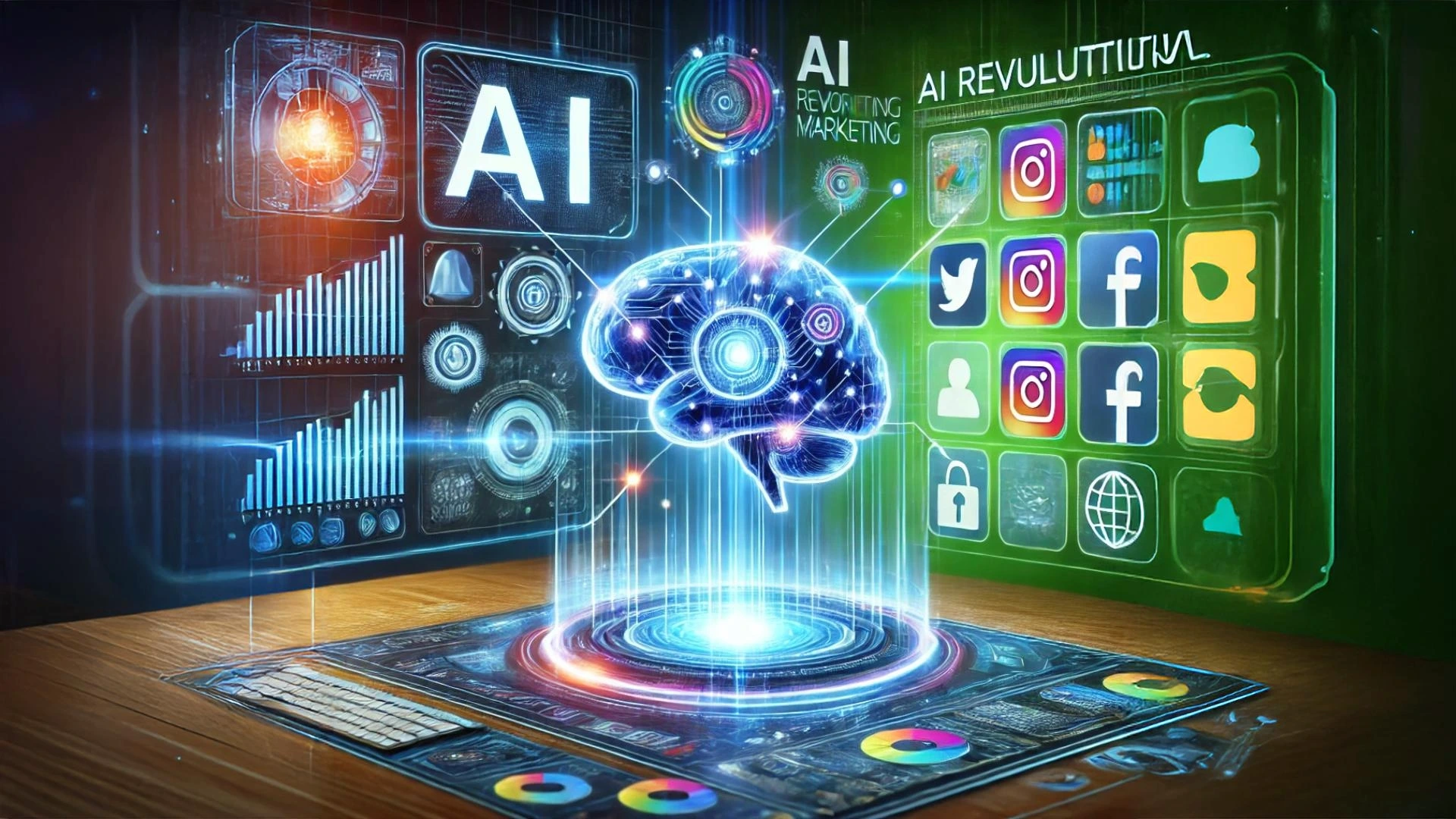
How AI Is Changing Digital Marketing in 2026 is clearly visible across every major strategy. Artificial Intelligence (AI) has become a powerful force in digital marketing. In 2026, AI is no longer just a support tool — it plays a key role in planning, execution, and performance optimization. Businesses that use AI correctly are able to reach their audience faster, personalize communication, and achieve better results. 1. How AI Is Changing Digital Marketing in 2026 Through Automation AI helps digital marketers automate repetitive tasks such as: Content scheduling Email campaigns Reporting and analytics AI significantly improves marketing efficiency by automating repetitive and time-consuming tasks such as content scheduling, email marketing, and performance reporting. Advanced tools like ChatGPT, Jasper, and HubSpot AI streamline daily marketing operations, reduce manual effort, and minimize errors. As a result, digital marketers can focus more on strategic planning, creative initiatives, and driving sustainable business growth. 2-How AI Is Transforming Content Creation in Digital Marketing In 2026, AI supports content creation by helping with: Blog outlines Ad copy Social media captions Video scripts Examples of tools: ChatGPT – content ideas and drafts Copy.ai – marketing copy Canva AI – design and visuals AI speeds up the process, while marketers ensure quality, tone, and originality. AI-Powered Content Creation in 2026 helps marketers create blog outlines, ad copy, social media captions, and video scripts more quickly using tools like ChatGPT, Copy.ai, and Canva AI. While AI speeds up idea generation and drafting, marketers refine the content to ensure quality, tone, and originality. 3. How AI Is Changing Digital Advertising Strategies in 2026 Advertising platforms now rely heavily on AI to improve performance.AI helps by: Targeting the right audience Adjusting bids automatically Testing multiple ad variations Examples: Google Ads Smart Bidding Meta Ads Advantage+ Smarter Advertising with AI uses artificial intelligence to optimize digital ad campaigns by targeting the right audiences, automatically adjusting bids, and testing multiple ad variations. Tools like Google Ads Smart Bidding and Meta Ads Advantage+ help reduce wasted spend and improve return on investment (ROI) by making data-driven decisions in real time.This is another clear example of how AI is changing digital marketing in 2026, helping brands make smarter, data-driven decisions. 4.How AI Improves Customer Experience in Digital Marketing AI helps businesses provide better customer service and personalization: Chatbots answer customer queries 24/7 Websites show personalized content Emails are customized based on user behavior Popular tools include Tidio, ManyChat, and Drift. 5.How AI Supports Data-Driven Marketing Decisions in 2026 AI can analyze large amounts of data quickly and accurately.This helps marketers understand: Customer behavior Campaign performance Conversion trends Data Analysis and Decision Making with AI enables marketers to quickly analyze large volumes of data to understand customer behavior, campaign performance, and conversion trends. Tools like Google Analytics 4 (GA4) and AI-powered CRM systems turn data into actionable insights, supporting smarter and faster marketing decisions. 6. Voice and Visual Search Optimization With the rise of voice assistants and image-based search, AI helps optimize content for: Voice search queries Image and visual search Voice and Visual Search Optimization uses AI to adapt content for voice-based queries and image-driven searches. By optimizing for how users speak and search visually, businesses improve visibility across multiple platforms beyond traditional text-based search engines. AI is transforming digital marketing by making it more efficient, personalized, and data-driven. However, AI does not replace digital marketers. Instead, it enhances their skills. In conclusion, How AI Is Changing Digital Marketing in 2026 proves that the future of marketing depends on balancing AI technology with human creativity.