
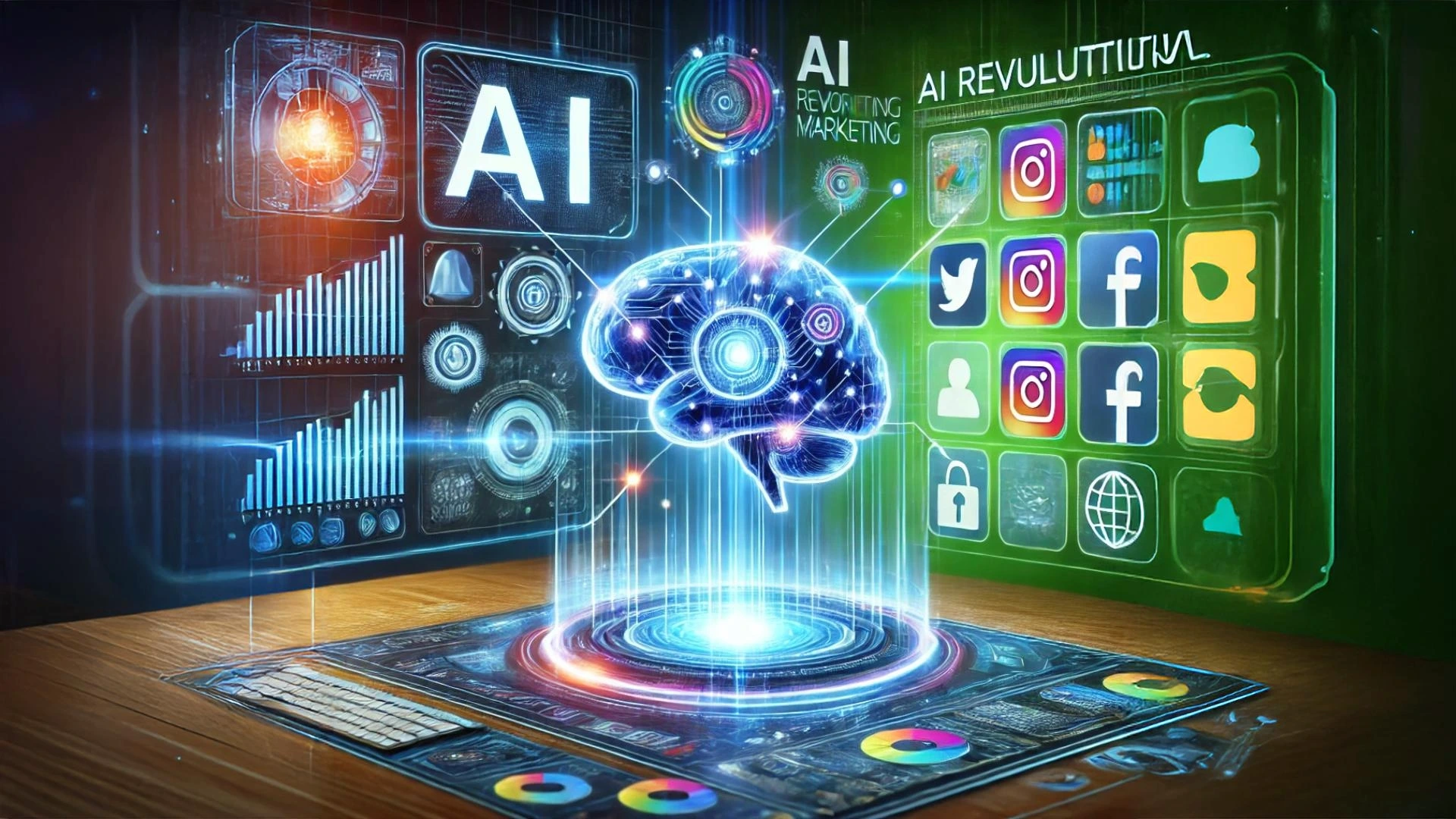
How AI Is Changing Digital Marketing in 2026 is clearly visible across every major strategy. Artificial Intelligence (AI) has become a powerful force in digital marketing. In 2026, AI is no longer just a support tool — it plays a key role in planning, execution, and performance optimization. Businesses that use AI correctly are able to reach their audience faster, personalize communication, and achieve better results.
1. How AI Is Changing Digital Marketing in 2026 Through Automation
AI helps digital marketers automate repetitive tasks such as:
Content scheduling
Email campaigns
Reporting and analytics
AI significantly improves marketing efficiency by automating repetitive and time-consuming tasks such as content scheduling, email marketing, and performance reporting. Advanced tools like ChatGPT, Jasper, and HubSpot AI streamline daily marketing operations, reduce manual effort, and minimize errors. As a result, digital marketers can focus more on strategic planning, creative initiatives, and driving sustainable business growth.
2-How AI Is Transforming Content Creation in Digital Marketing
In 2026, AI supports content creation by helping with:
Blog outlines
Ad copy
Social media captions
Video scripts
Examples of tools:
ChatGPT – content ideas and drafts
Copy.ai – marketing copy
Canva AI – design and visuals
AI speeds up the process, while marketers ensure quality, tone, and originality.
AI-Powered Content Creation in 2026 helps marketers create blog outlines, ad copy, social media captions, and video scripts more quickly using tools like ChatGPT, Copy.ai, and Canva AI. While AI speeds up idea generation and drafting, marketers refine the content to ensure quality, tone, and originality.
3. How AI Is Changing Digital Advertising Strategies in 2026
Advertising platforms now rely heavily on AI to improve performance.
AI helps by:
Targeting the right audience
Adjusting bids automatically
Testing multiple ad variations
Examples:
Google Ads Smart Bidding
Meta Ads Advantage+
Smarter Advertising with AI uses artificial intelligence to optimize digital ad campaigns by targeting the right audiences, automatically adjusting bids, and testing multiple ad variations. Tools like Google Ads Smart Bidding and Meta Ads Advantage+ help reduce wasted spend and improve return on investment (ROI) by making data-driven decisions in real time.This is another clear example of how AI is changing digital marketing in 2026, helping brands make smarter, data-driven decisions.
4.How AI Improves Customer Experience in Digital Marketing
AI helps businesses provide better customer service and personalization:
Chatbots answer customer queries 24/7
Websites show personalized content
Emails are customized based on user behavior
Popular tools include Tidio, ManyChat, and Drift.
5.How AI Supports Data-Driven Marketing Decisions in 2026
AI can analyze large amounts of data quickly and accurately.
This helps marketers understand:
Customer behavior
Campaign performance
Conversion trends
Data Analysis and Decision Making with AI enables marketers to quickly analyze large volumes of data to understand customer behavior, campaign performance, and conversion trends. Tools like Google Analytics 4 (GA4) and AI-powered CRM systems turn data into actionable insights, supporting smarter and faster marketing decisions.
6. Voice and Visual Search Optimization
With the rise of voice assistants and image-based search, AI helps optimize content for:
Voice search queries
Image and visual search
Voice and Visual Search Optimization uses AI to adapt content for voice-based queries and image-driven searches. By optimizing for how users speak and search visually, businesses improve visibility across multiple platforms beyond traditional text-based search engines.
AI is transforming digital marketing by making it more efficient, personalized, and data-driven. However, AI does not replace digital marketers. Instead, it enhances their skills.
In conclusion, How AI Is Changing Digital Marketing in 2026 proves that the future of marketing depends on balancing AI technology with human creativity.